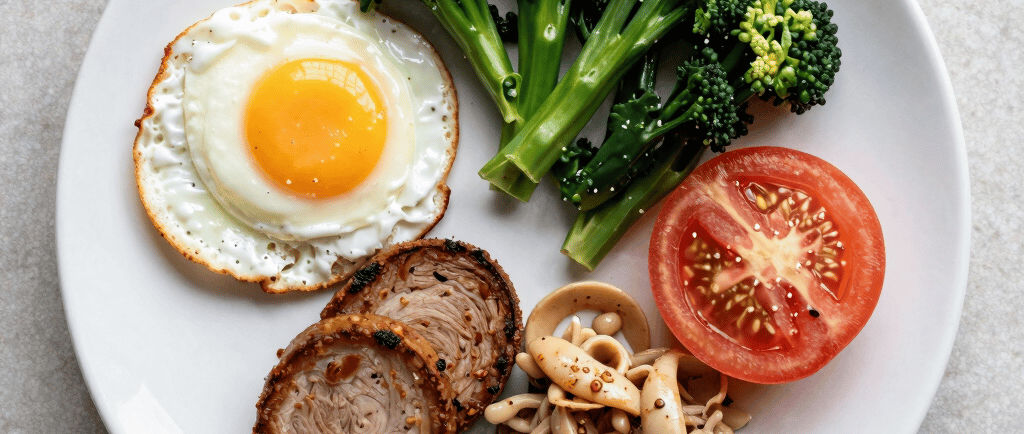
The Whole Foods Lifestyle: Returning to the Source
In an era of "ultra-processed" convenience and complex ingredient labels, the concept of a whole foods diet is less of a restrictive "diet" and more of a return to culinary basics. It’s a philosophy centered on one simple rule: eat food that looks like what it is.
By shifting the focus from counting numbers to prioritizing quality, you can transform your relationship with what you eat and how you feel.
What Exactly is a Whole Food?
At its core, a whole food is a food that has been processed or refined as little as possible. It is free from additives, artificial substances, and industrial chemicals. Think of it as food in its natural state.
Whole: An apple.
Processed: Unsweetened applesauce.
Ultra-Processed: An apple-flavored toaster pastry.
The Core Pillars of the Plate
Transitioning to this lifestyle doesn't require a chemistry degree—just a focus on these primary categories:
Fruits and Vegetables: The colorful foundation. Aim for a variety of seasonal produce to ensure a broad spectrum of micronutrients.
Whole Grains: Swap white flour and white rice for oats, quinoa, farro, and brown rice. These retain the fiber-rich bran and germ.
Proteins: Focus on legumes (beans, lentils), nuts, seeds, eggs, and sustainably sourced fish or poultry.
Healthy Fats: Prioritize fats that come from the source, such as avocados, olives, and raw nuts.
Why Make the Switch?
The benefits of prioritizing whole ingredients extend far beyond the physical. While the body appreciates the lack of refined sugars and trans fats, the mind often finds a new sense of clarity.
Consistent Energy: Whole foods are generally rich in fiber, which slows the absorption of sugar. This helps avoid the "crash and burn" cycle of processed snacks, providing steady fuel throughout the day.
Improved Digestion: Natural fiber is essential for gut health. A diet high in whole plants supports a diverse microbiome.
Culinary Connection: When you cook with whole ingredients, you become more connected to the process of nourishment. It sparks a different kind of appreciation for the meal on the table.
3 Simple Ways to Start Today
You don't have to clear out your entire pantry overnight. Small, sustainable shifts are more effective than sudden, drastic changes.
The "One Ingredient" Rule: When grocery shopping, look for items that consist of just one ingredient (e.g., "Ingredients: Broccoli" or "Ingredients: Quinoa").
Crowd It Out: Instead of focusing on what to remove, focus on what to add. Fill half your plate with vegetables first; naturally, there will be less room for the processed stuff.
Reimagine Your Rituals: If you love a morning muffin, try a bowl of steel-cut oats with fresh berries and a splash of almond milk. You get the sweetness and the comfort without the refined flour.
The Bottom Line
A whole foods diet isn't about perfection; it’s about intention. It’s about choosing ingredients that nourish the body and respect the source. By focusing on real food, you aren't just changing your lunch—you're fueling a more vibrant, energetic version of yourself.